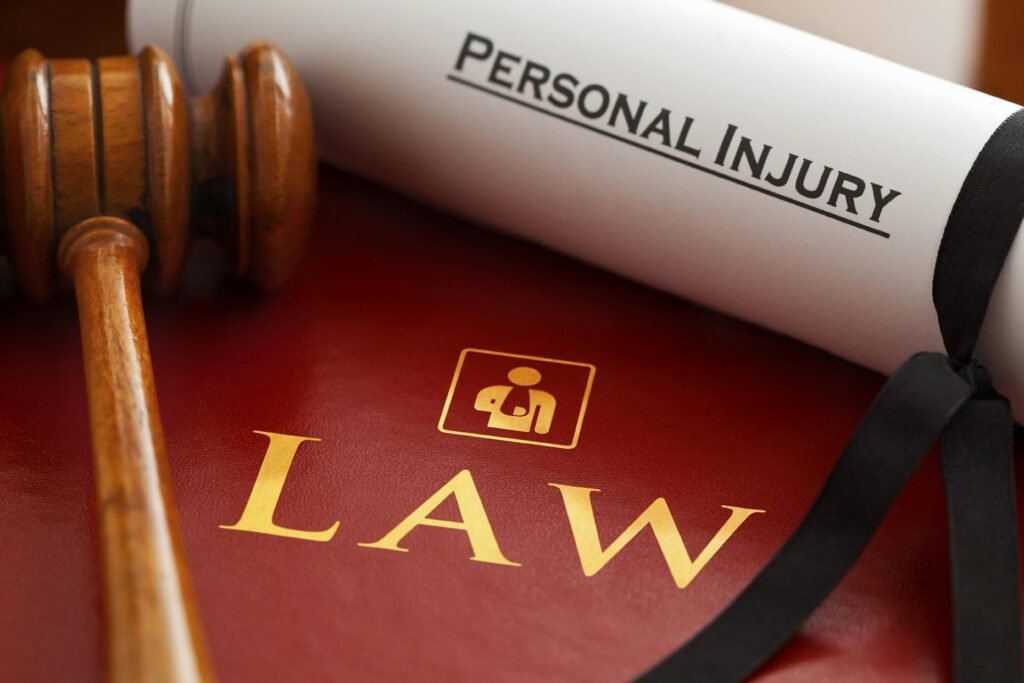
Accidents and unexpected injuries can disrupt lives in an instant. Medical bills, lost income, emotional stress, and physical pain can place a heavy burden on victims and their families. In such situations, a personal injury lawyer plays a crucial role in helping victims seek justice and financial compensation. These legal professionals specialize in representing individuals who have been harmed due to someone else’s negligence or wrongful actions.
This article explores what a personal injury lawyer does, the types of cases they handle, the legal process involved, and how to choose the right attorney.
What Is a Personal Injury Lawyer?
A personal injury lawyer is a legal professional who represents individuals who have suffered physical, emotional, or psychological harm because of another party’s negligence or intentional misconduct. Their primary goal is to help injured victims obtain compensation for damages such as medical expenses, lost wages, property damage, and pain and suffering.
Personal injury law falls under the broader category of civil law, meaning that these cases usually involve disputes between individuals or organizations rather than criminal charges.
Personal injury lawyers possess expertise in areas such as:
- Tort law
- Insurance law
- Civil litigation
- Medical negligence
- Product liability
Their knowledge allows them to navigate complex legal systems while protecting the rights of injured individuals.
Common Types of Personal Injury Cases
Personal injury lawyers handle a wide variety of cases. Some of the most common include the following.
Car and Motorcycle Accidents
Motor vehicle accidents are among the most common causes of personal injury claims. When drivers act negligently—such as by speeding, driving under the influence, or ignoring traffic laws—they may be held legally responsible for the injuries they cause.
A personal injury lawyer investigates the accident, gathers evidence, negotiates with insurance companies, and ensures victims receive fair compensation.
Slip and Fall Accidents
Slip and fall cases fall under premises liability law. Property owners have a legal duty to maintain safe conditions for visitors. If someone is injured due to unsafe conditions—like wet floors, broken stairs, or poor lighting—the property owner may be held liable.
Personal injury attorneys help prove negligence and demonstrate that the property owner failed to maintain safe premises.
Medical Malpractice
Medical malpractice occurs when healthcare professionals fail to meet accepted standards of care, resulting in patient injury. Examples include surgical errors, misdiagnosis, medication mistakes, or birth injuries.
Because these cases involve complex medical evidence, personal injury lawyers often work with medical experts to prove negligence.
Workplace Accidents
Employees injured on the job may qualify for workers’ compensation benefits. However, in some cases—such as when third-party negligence is involved—victims may also file a personal injury claim.
A personal injury lawyer helps injured workers understand their legal options and ensures they receive the compensation they deserve.
Product Liability
Manufacturers and companies are responsible for ensuring their products are safe for consumers. If a defective or dangerous product causes injury, victims may file a product liability claim against the manufacturer, distributor, or retailer.
These cases can involve defective machinery, unsafe medications, faulty electronics, or dangerous household products.
Responsibilities of a Personal Injury Lawyer
A personal injury lawyer performs many tasks throughout the legal process. Their responsibilities extend far beyond representing clients in court.
Case Evaluation
The first step involves evaluating the client’s case. The lawyer reviews the details of the incident, determines liability, and assesses the potential value of the claim.
During this stage, they also explain the legal options available to the client.
Gathering Evidence
To build a strong case, personal injury lawyers collect and analyze evidence such as:
- Police reports
- Medical records
- Witness statements
- Accident scene photographs
- Expert testimonies
This evidence helps establish negligence and supports the client’s claim for damages.
Negotiating with Insurance Companies
Insurance companies often attempt to minimize payouts to protect their profits. Personal injury lawyers negotiate aggressively on behalf of their clients to ensure fair settlements.
Without legal representation, victims may accept compensation that is far less than what they deserve.
Representing Clients in Court
If settlement negotiations fail, the lawyer may take the case to trial. In court, they present evidence, question witnesses, and argue the case before a judge or jury.
While many personal injury cases settle outside of court, having an experienced trial lawyer is essential if litigation becomes necessary.
Types of Compensation in Personal Injury Cases
Victims of personal injury may be entitled to several types of compensation, commonly known as damages.
Economic Damages
Economic damages refer to measurable financial losses, including:
- Medical expenses
- Hospital bills
- Rehabilitation costs
- Lost wages
- Property damage
These damages are calculated using bills, receipts, and financial records.
Non-Economic Damages
Non-economic damages compensate victims for emotional and psychological harm, including:
- Pain and suffering
- Emotional distress
- Loss of enjoyment of life
- Permanent disability
Although harder to quantify, these damages are often significant in serious injury cases.
Punitive Damages
In rare cases involving extreme negligence or intentional misconduct, courts may award punitive damages. These damages aim to punish the wrongdoer and deter similar behavior in the future.
The Personal Injury Claim Process
Understanding the legal process can help victims know what to expect when pursuing a claim.
1. Consultation with a Lawyer
Most personal injury lawyers offer free initial consultations. During this meeting, the lawyer evaluates the case and explains possible legal strategies.
2. Investigation
The lawyer investigates the incident by gathering evidence, interviewing witnesses, and consulting experts.
3. Filing the Claim
Once sufficient evidence is collected, the lawyer files a formal claim with the responsible party or their insurance company.
4. Negotiation and Settlement
Many cases are resolved through settlement negotiations. If both parties agree on compensation, the case ends without a trial.
5. Trial (If Necessary)
If negotiations fail, the case proceeds to court, where a judge or jury determines liability and compensation.
How to Choose the Right Personal Injury Lawyer
Selecting the right lawyer can significantly impact the outcome of a case. Victims should consider several factors when making their choice.
Experience and Specialization
Look for a lawyer who specializes in personal injury law and has experience handling similar cases.
Reputation and Reviews
Client testimonials, online reviews, and professional ratings can provide valuable insight into a lawyer’s reputation and success rate.
Communication Skills
A good lawyer should communicate clearly, answer questions promptly, and keep clients informed throughout the legal process.
Fee Structure
Most personal injury lawyers work on a contingency fee basis, meaning they only get paid if the client wins the case. This arrangement allows victims to pursue justice without upfront legal fees.
Conclusion
Personal injury lawyers play a vital role in protecting the rights of accident victims. They provide legal guidance, negotiate with insurance companies, and fight for fair compensation on behalf of those who have suffered due to negligence.
Whether dealing with car accidents, medical malpractice, or workplace injuries, having a skilled personal injury lawyer can make a significant difference in the outcome of a case. By understanding their role and choosing the right attorney, victims can take an important step toward recovery, financial stability, and justice.